

SEATING & POSITIONING
Pressure Relief Car Seat Cushion
Supportive seating option designed to assist comfort and positioning during vehicle use.
Discuss This Item →
DRIVING & VEHICLE SUPPORT
Explore practical driving and vehicle support equipment designed to assist comfort, positioning, access and functional driving needs.
Explore EquipmentOT DRIVING REHABILITATION
The OT Driving Rehabilitation Program is a specialised service designed to support people who have experienced an injury, illness, disability or psychological condition that may affect their ability to drive safely and confidently.
The program takes a person-centred approach to understanding the physical, cognitive, functional and psychological factors that may affect driving.
Depending on individual needs, rehabilitation may involve occupational therapy, driving rehabilitation and psychological support, with collaboration between relevant treating professionals where appropriate.
Our aim is to identify and address the barriers that may affect a person's ability to return to driving, while supporting safety, confidence, independence and meaningful community participation.
INDIVIDUALISED REHABILITATION
The rehabilitation pathway is tailored to the person's presentation, driving goals and identified functional needs. Depending on individual circumstances, the program may include:
Comprehensive assessment of physical, cognitive, visual and functional abilities relevant to driving.
Assessment of current driving difficulties, functional limitations and safety concerns.
Off-road assessment of driving-related skills, abilities and functional performance.
On-road assessment in a dual-control vehicle with an appropriately qualified driving instructor, where appropriate.
Graded driving rehabilitation and targeted development of driving-related skills.
Graded exposure and confidence-building strategies to support progression toward driving.
Psychological rehabilitation strategies for driving-related anxiety, trauma, fear of driving or PTSD where clinically appropriate.
Strategies to manage anxiety, stress and psychological responses associated with driving.
Identification of vehicle modifications, adaptive equipment or driving strategies that may improve safety and independence.
Liaison with treating doctors, psychologists, insurers, driving instructors and other relevant professionals where appropriate.
Recommendations regarding driving capacity, rehabilitation requirements and return-to-driving goals.
Follow-up assessment to review progress and support ongoing driving independence.
PSYCHOLOGICAL REHABILITATION
Following a traumatic event, driving can become associated with fear, anxiety, avoidance and reduced confidence.
Where psychological barriers are affecting a person's ability to engage in driving-related activities, rehabilitation may focus on gradually rebuilding tolerance, confidence and participation in a safe and structured manner.
Psychological rehabilitation is tailored to the individual's presentation and may be coordinated with the person's treating psychologist or other mental health professionals where appropriate.
Our goal is to support each individual to achieve the highest appropriate level of safe, confident and independent driving possible.
Where a return to unrestricted driving is not immediately appropriate, rehabilitation focuses on gradual progression, addressing identified barriers and developing practical strategies to support safe community access and independence.
EXPLORE BY CATEGORY
Select a category below to browse relevant equipment and support options.
CATEGORY 01
Our Psychological Driving Rehabilitation Program is designed for individuals experiencing PTSD, anxiety, fear or avoidance associated with driving following a traumatic event.
The program combines psychological therapy, technology-assisted exposure and practical driving rehabilitation to support a structured and gradual return to driving.
Individual psychological sessions focused on addressing trauma-related symptoms, driving anxiety, fear, avoidance and other psychological barriers affecting driving.
Cognitive Behavioural Therapy strategies tailored specifically to driving-related anxiety and PTSD, with a focus on identifying unhelpful thoughts and behaviours, developing coping strategies and rebuilding confidence.
Virtual Reality technology may be used to provide controlled and progressive exposure to driving-related situations before progressing to real-world driving.
Following psychological preparation and exposure, clients may progress through an individualised graded return-to-driving program led by an Occupational Therapist in collaboration with a rehabilitation-trained driving instructor.
Practical driving rehabilitation may be conducted using a specialised dual-control vehicle, allowing clients to progressively develop driving skills and confidence in a safe and controlled environment.
A STEP-BY-STEP APPROACH
The program progressively moves from psychological preparation → controlled exposure → practical driving rehabilitation → graded return to independent driving.
Progression is based on each individual's symptoms, functional capacity, confidence and safety.
CATEGORY 02
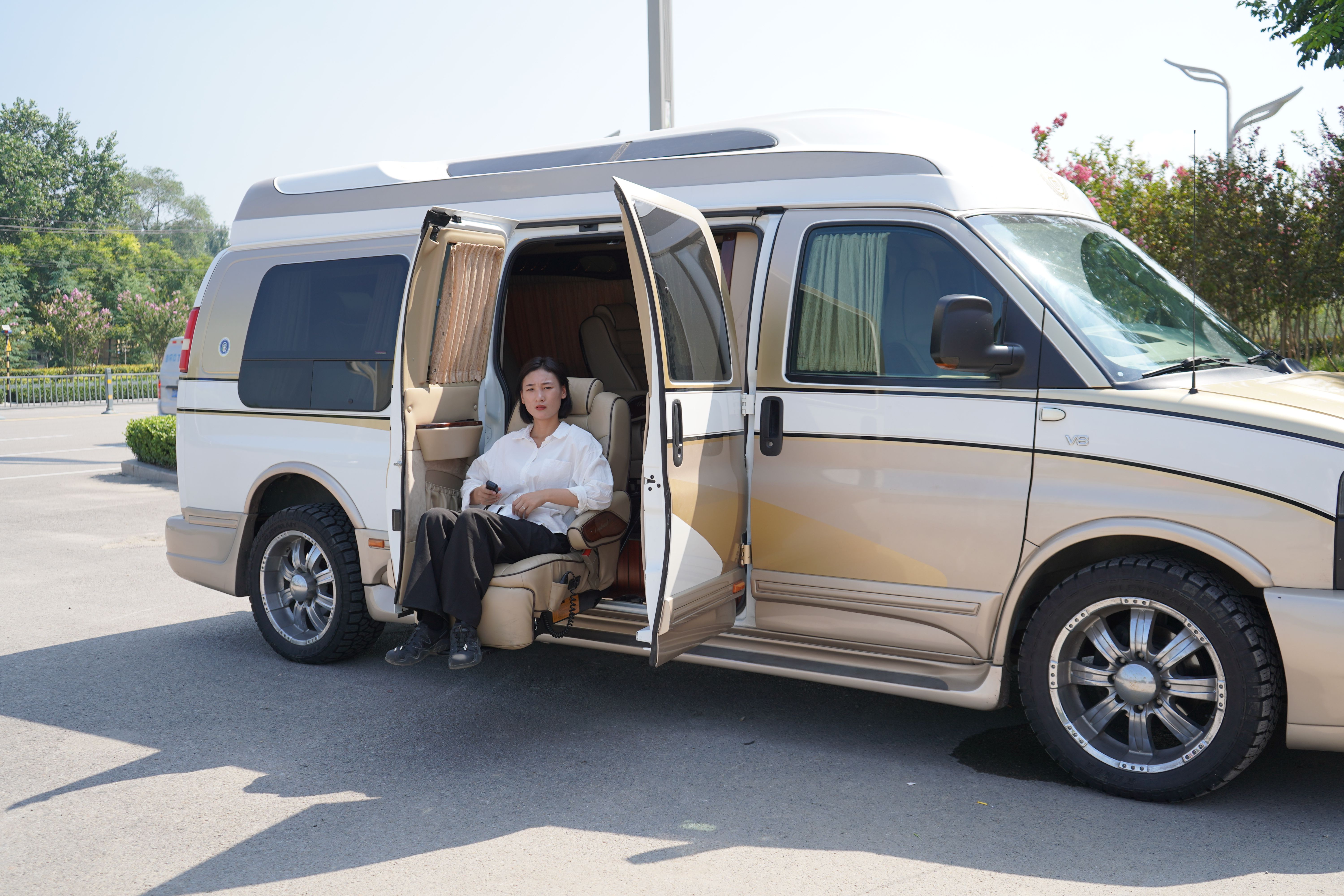
Our Vehicle Modification service assists individuals who have experienced an injury, disability or change in physical or cognitive function that may affect their ability to safely operate a vehicle.
An Occupational Therapist assesses the individual's functional abilities, driving requirements and vehicle needs to identify appropriate modifications or adaptive equipment.
Recommendations are tailored to support safe, comfortable and independent driving.
Comprehensive assessment of functional driving needs, current abilities, vehicle suitability and the specific requirements that may influence equipment or modification recommendations.
Assessment and recommendation of adaptive controls including steering aids, spinner knobs, hand controls, alternative accelerator systems, pedal modifications and pedal extensions.
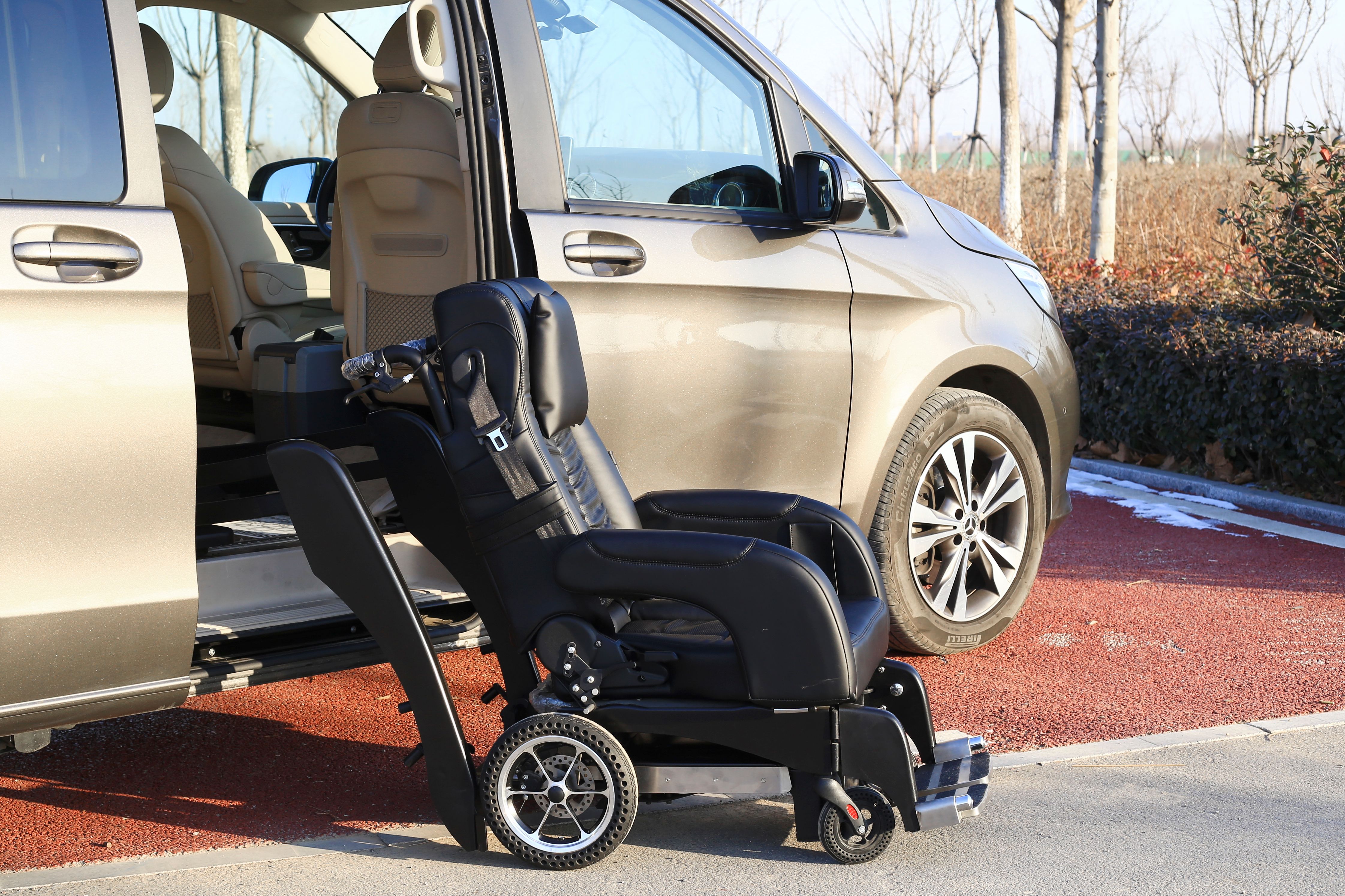
Consideration of seating and positioning modifications, electronic access solutions and equipment designed to assist with vehicle entry and exit.
Where appropriate, recommended equipment and modifications may be trialled before installation to assess suitability, functionality and safety.
Liaison with vehicle modification specialists, installers and other relevant professionals to support appropriate implementation of recommended modifications.
Post-modification review, driving assessment, education and practical training may be provided to support safe and effective use of modified vehicle controls.
OUR APPROACH
Where appropriate, recommended modifications can be trialled in a specialised vehicle before installation. This allows the Occupational Therapist and client to determine whether the equipment is suitable, functional and safe for the individual's specific needs.
Our aim is to ensure that vehicle modifications are not only technically suitable, but also practical and matched to the person's driving goals, functional abilities and everyday needs.
CATEGORY 03
Equipment options that may support comfort, posture, positioning and vehicle seating needs.
SEATING & POSITIONING
Supportive seating option designed to assist comfort and positioning during vehicle use.
Discuss This Item →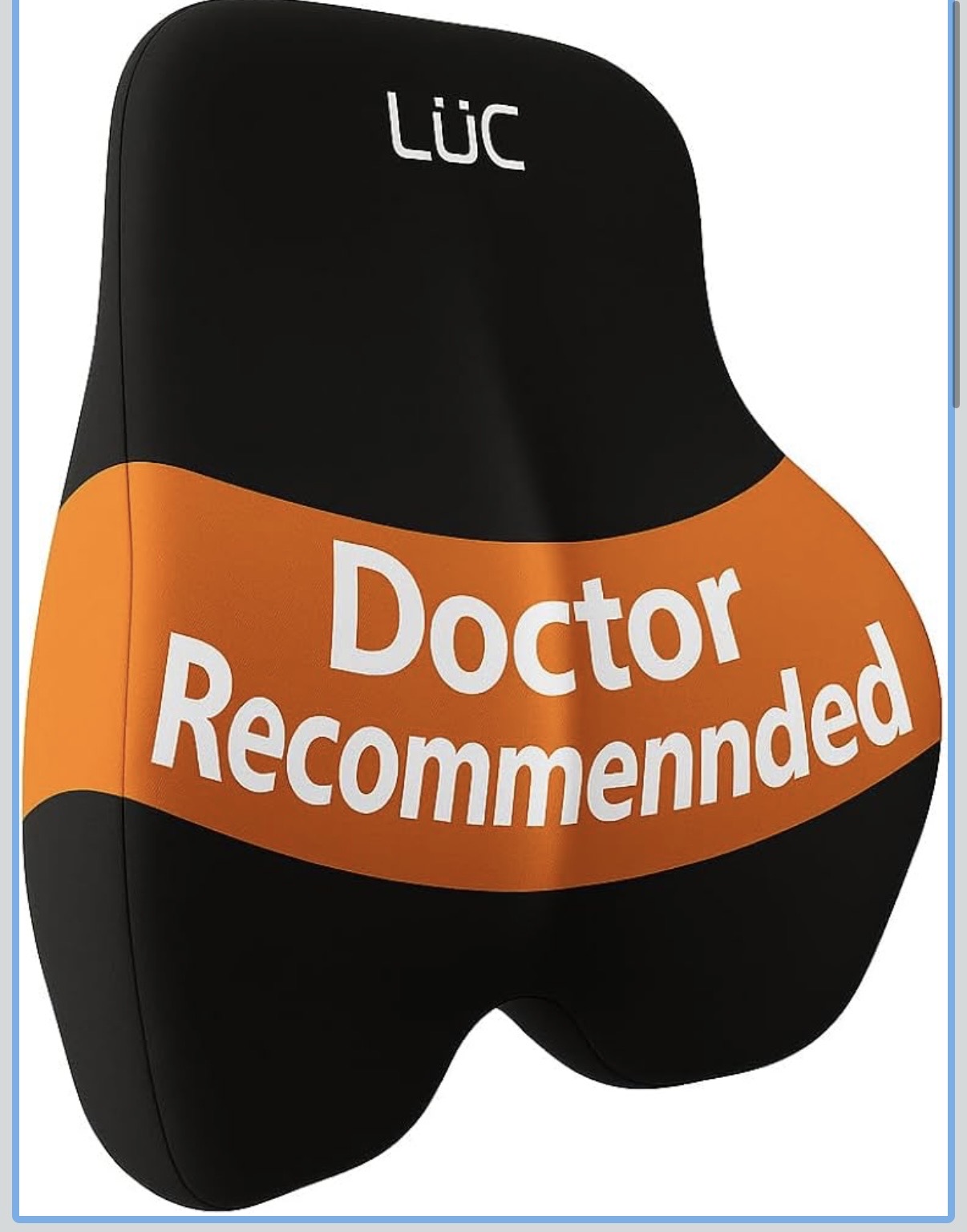
SEATING & POSITIONING
Support designed to assist seated posture and lumbar positioning during vehicle use.
Discuss This Item →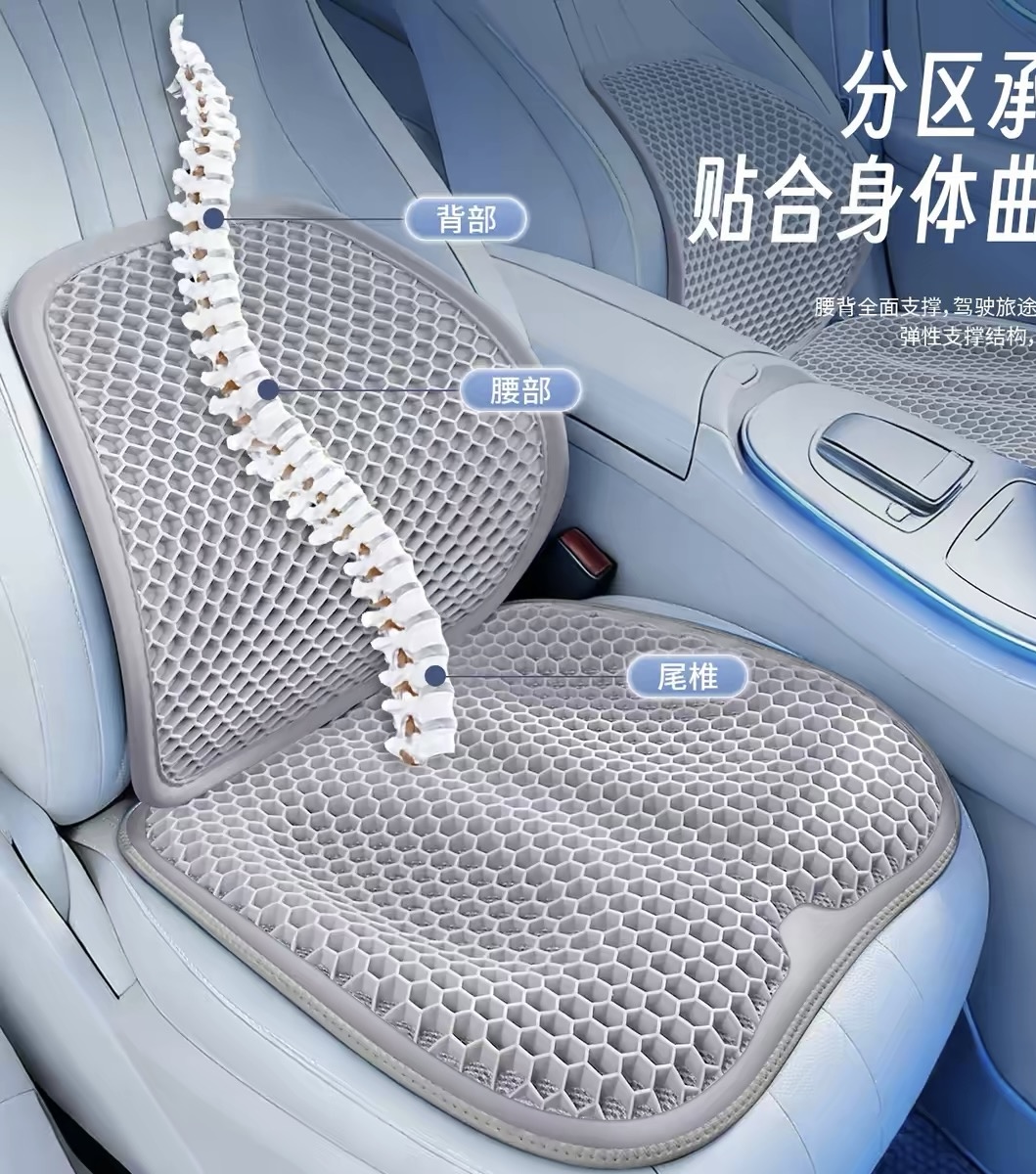
POSITIONING SUPPORT
Contoured seating support that may assist positioning and sitting posture.
Discuss This Item →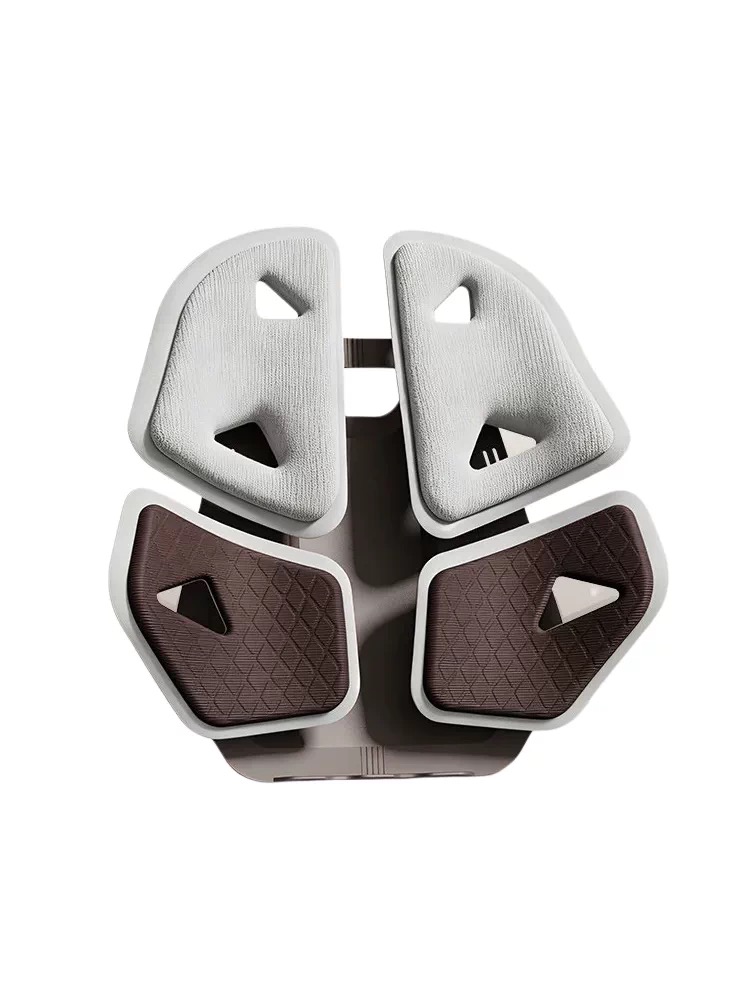
DRIVING SUPPORT
Nect level lumbar support system designed to relief back pain
Discuss This Item →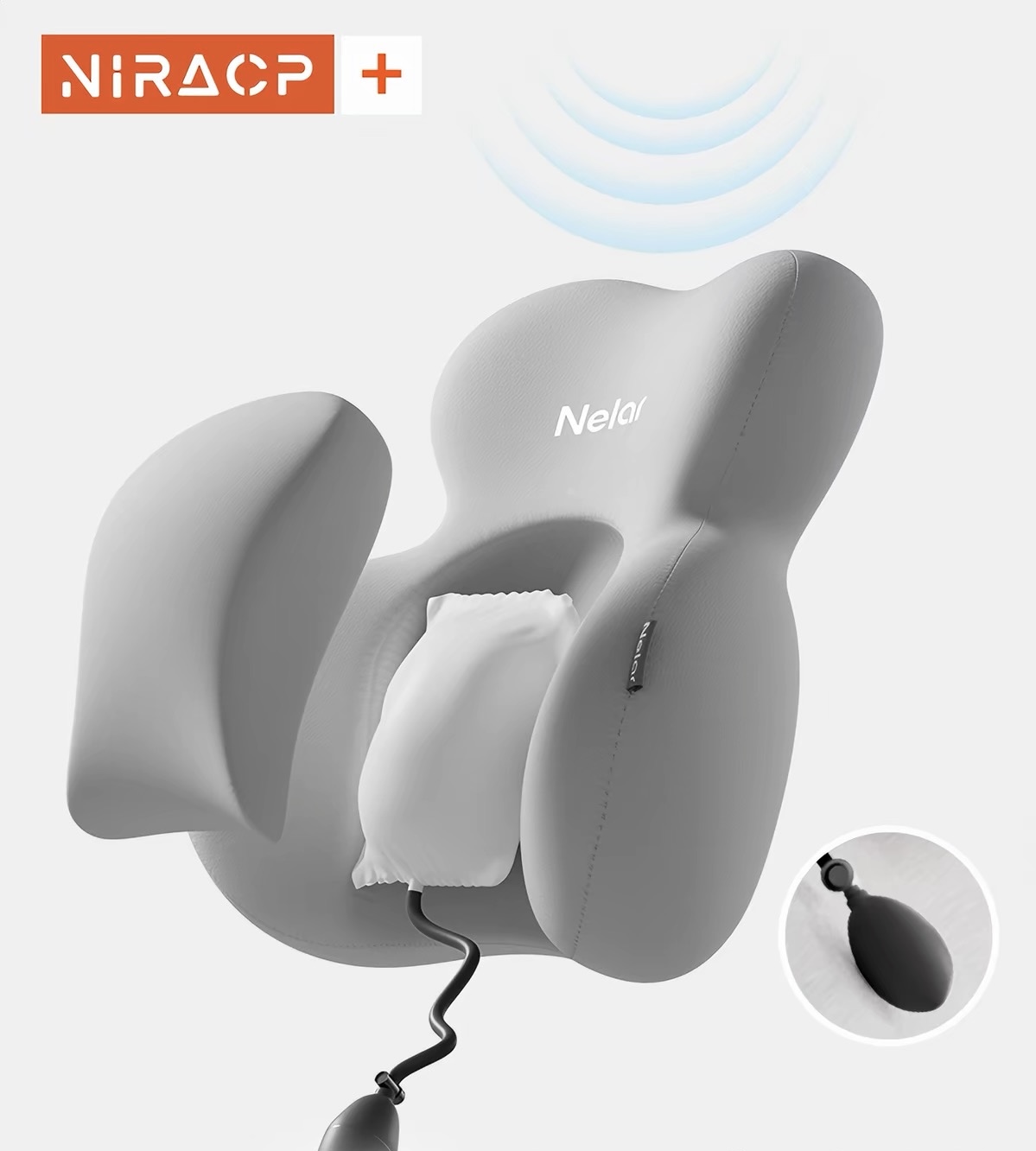
POSTURAL SUPPORT
Supportive vehicle seating accessory designed to assist postural comfort.
Discuss This Item →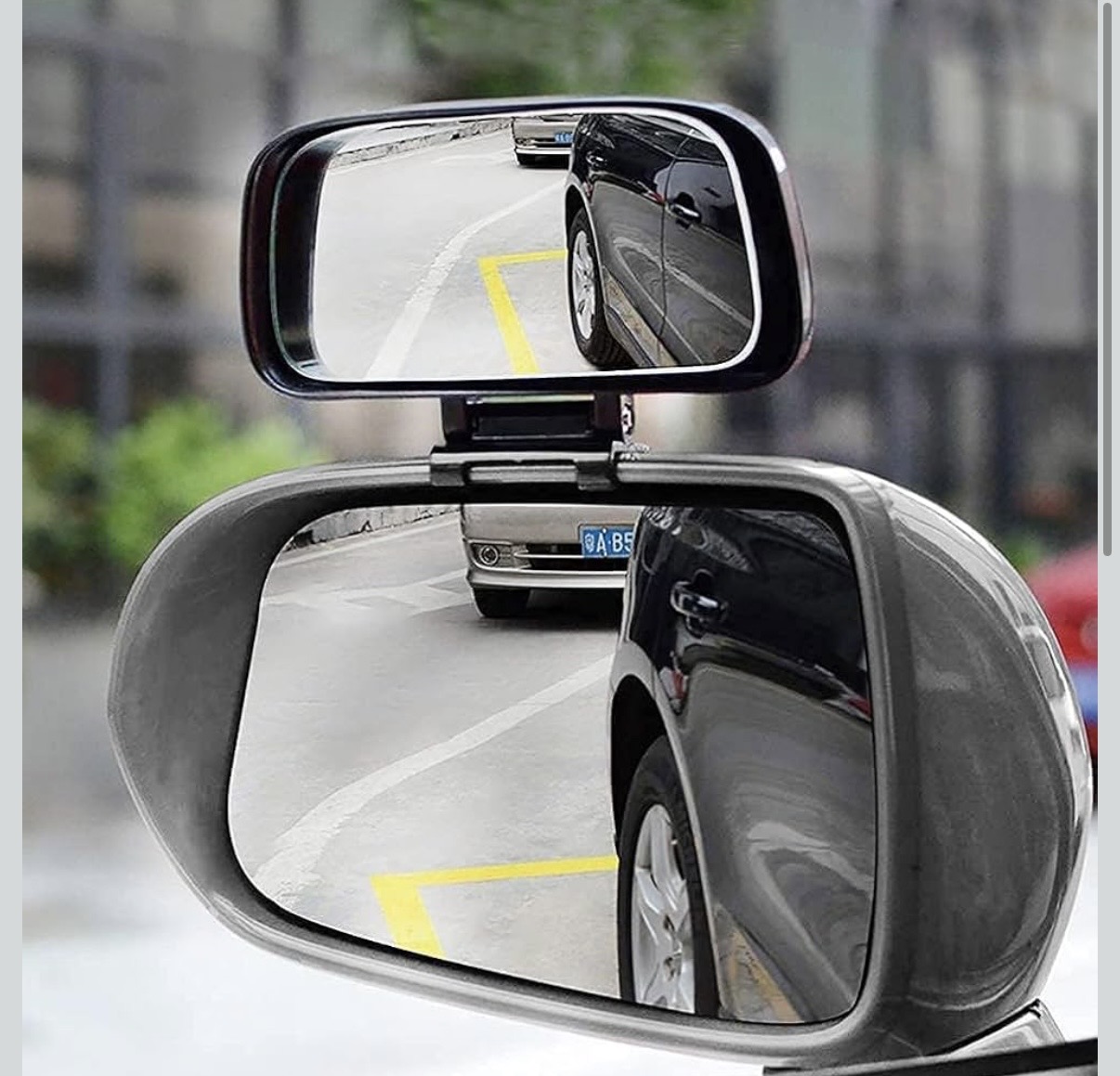
Additional mirrors
reduce neck rotation needs and make checking for blind spots easier
Discuss This Item →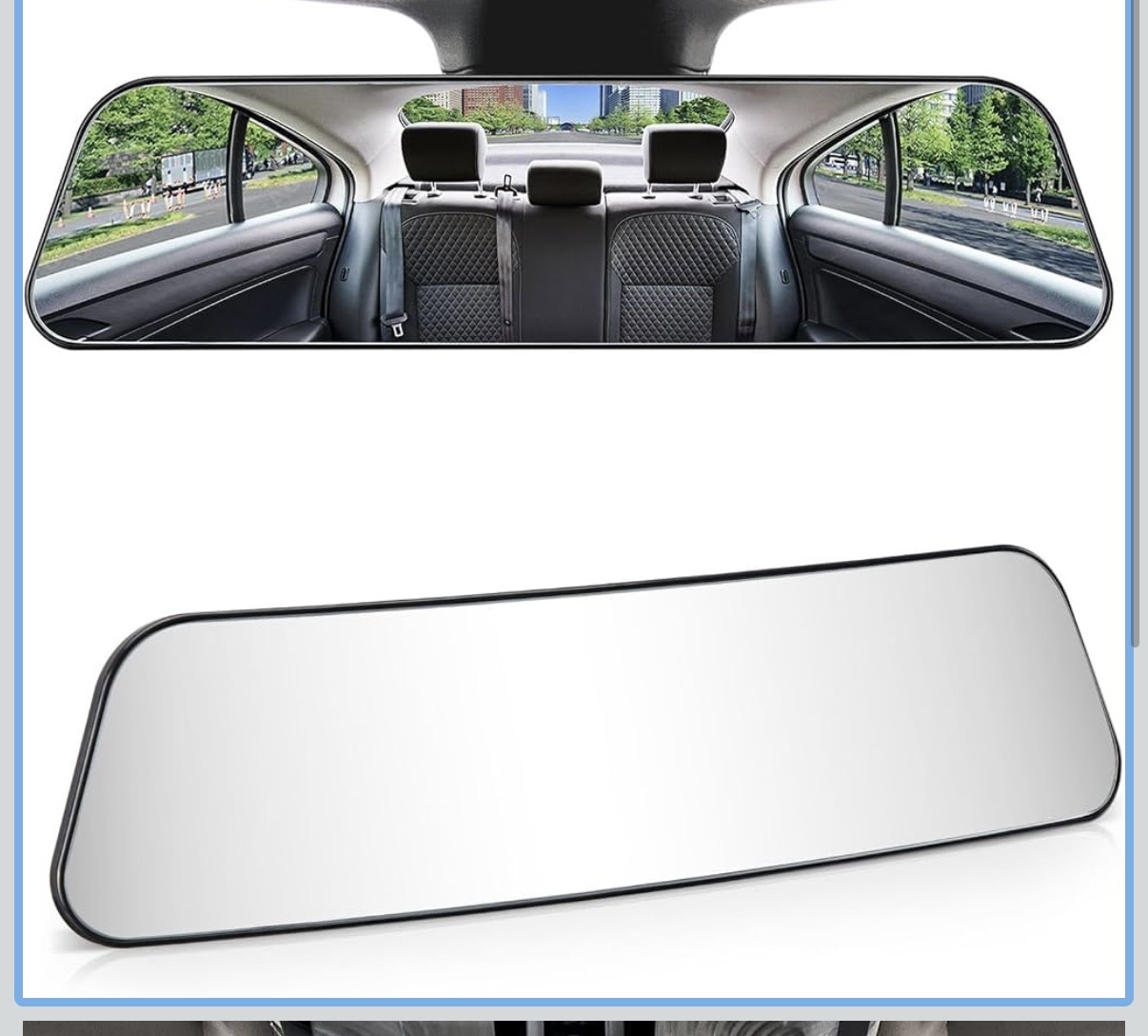
Rear view mirror add ons
Wide-angle mirror that give you larger field of view and reduce blind spots
Discuss This Item →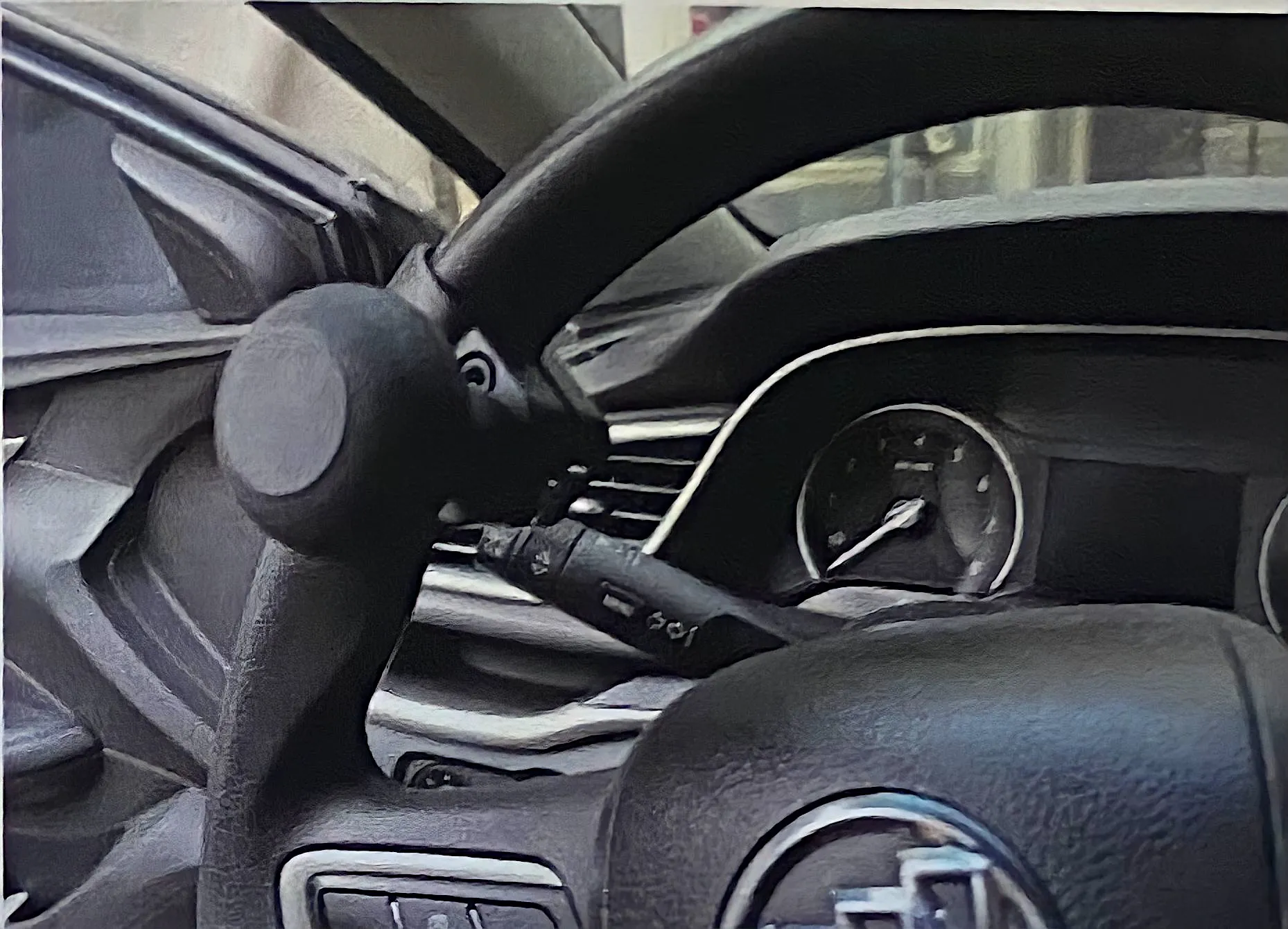
Steering aid
Handle fitted to the steering wheel that allows the driver to turn the wheel with one hand.
Discuss This Item →INDIVIDUAL SUITABILITY
Equipment suitability depends on individual functional needs, vehicle requirements and clinical circumstances.